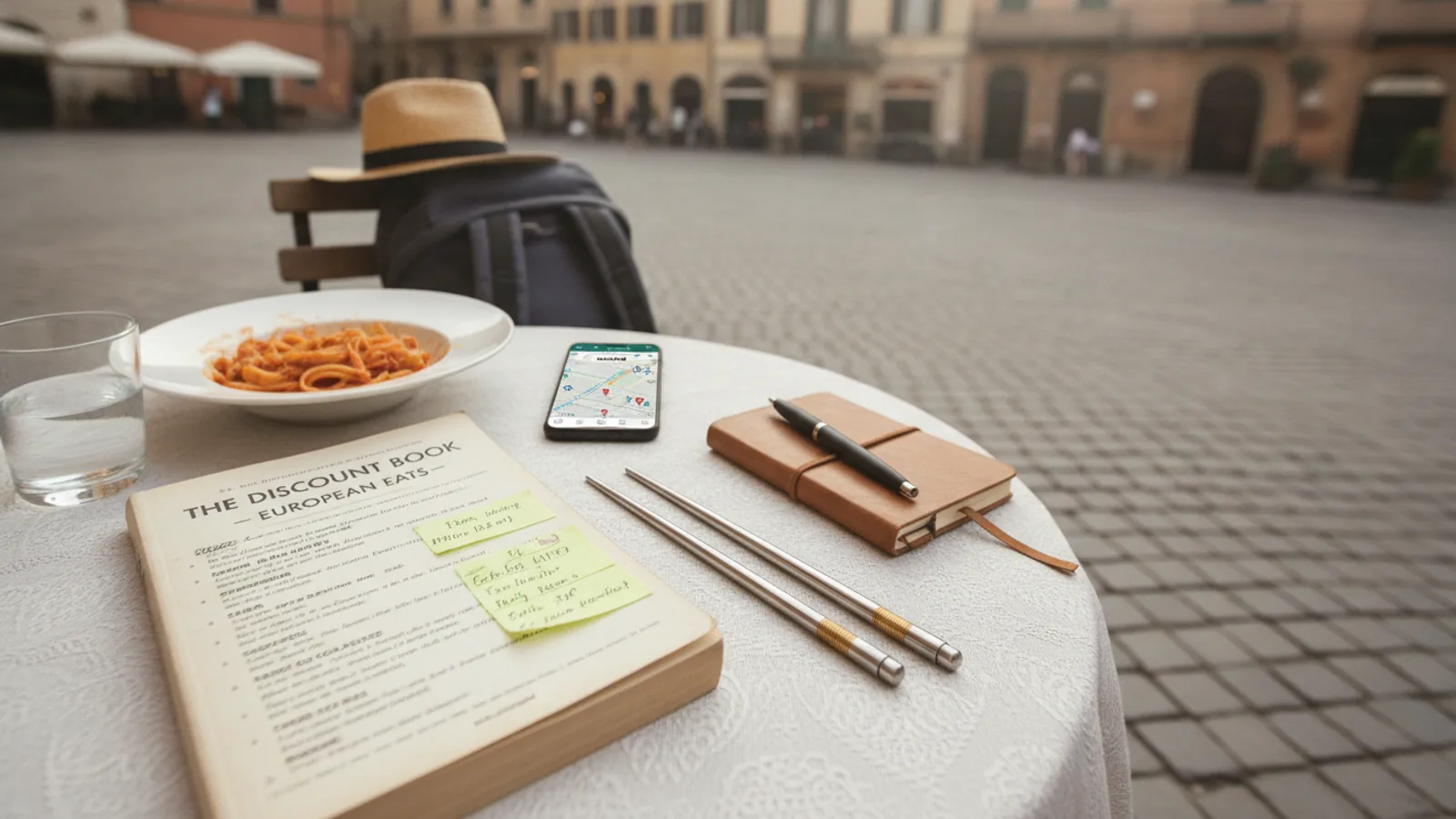
How To Plan A Low Cost European City Break Without Losing The Good Parts
A practical step-by-step guide to how to plan a low-cost European city break without losing the good parts, including preparation, instructions, common issues, tips, and next steps.
How To Plan A Low Cost European City Break Without Losing The Good Parts
Planning a low-cost European city break without losing the good parts is about making smart trade-offs. You can enjoy rich cultural experiences, delicious local food, and memorable sights without spending a fortune. The key is to prioritize what truly matters to you, be flexible with your travel dates and destinations, and use local resources wisely. This guide will walk you through every step, from setting a realistic budget to finding affordable yet authentic accommodation, eating like a local, and exploring the city on foot or by public transport. You'll learn how to avoid common pitfalls, make the most of free attractions, and still have a fantastic time. With careful planning and a positive mindset, you can discover that the best parts of a European city break don't have to come with a high price tag.
Fast Answer
- Pick a less-visited city that still offers rich history and culture, then travel during the shoulder season and stay in a locally-run guesthouse or hostel just outside the main tourist zone to save money while keeping the experience genuine.
- Prioritize free or low-cost experiences like walking tours, public parks, and local markets, and use a refillable water bottle and public transport passes to cut daily expenses without sacrificing comfort.
Before You Start
- Set a realistic daily budget that includes accommodation, food, local transport, and a small buffer for unexpected costs, then track your spending to stay on track.
- Research your chosen city's free walking tour schedules, museum free-entry days, and public transport options online before you leave so you can plan your days efficiently.
- Choose accommodation that offers a kitchen or at least a simple breakfast, so you can prepare some meals yourself and save money on dining out.
- Learn a few basic phrases in the local language to help you navigate markets, ask for directions, and connect with locals, which can lead to better deals and friendlier service.
Step-by-Step Instructions
Set Your Priorities and Budget
Before you even look at flights or hotels, sit down and write a list of the top three to five experiences you truly want from your city break. It could be visiting a famous museum, trying a local dish, wandering through a historic neighborhood, or simply relaxing in a park. Once you have your priorities clear, set a realistic daily budget that covers accommodation, food, local transport, and some emergency buffer. Break down your overall budget into specific amounts for each day, and always keep a small reserve for unexpected opportunities or costs. A practical check is to review your budget against your priorities: if the budget is too tight to cover your top experiences, either adjust your expectations or save a bit more before you go. This step matters because without clear priorities, you'll end up spending on things that don't bring you joy, and you'll miss out on what made you want to travel in the first place. Also, having a budget prevents financial stress during the trip, allowing you to enjoy the good parts fully.
Choose a Cost-Effective Destination and Time
Instead of the most popular and pricey cities like Paris or Venice, consider equally charming but more affordable destinations such as Porto, Budapest, Krakow, or Ljubljana. These cities offer rich history, vibrant culture, and excellent food at a fraction of the cost. Also, be flexible with your travel dates. Try to travel during the shoulder season – typically late spring and early autumn – when the weather is pleasant, but crowds and prices are lower. Weekday flights and stays are often cheaper than weekends, so if you can travel mid-week, you'll save money. A practical check is to use flight comparison websites and search for nearby airports; sometimes landing at a smaller airport and taking a short train ride to your destination can cut costs significantly. This step matters because the choice of city and travel dates directly affects your overall spending. By choosing a less expensive base, you'll have more money left for experiences, meals, and souvenirs, ensuring you don't lose the good parts of the trip.
Book Accommodation Wisely
Accommodation is often the biggest cost, but you don't have to sacrifice comfort or location. Look for locally-owned guesthouses, hostels with private rooms, or apartment rentals that offer kitchen facilities. Staying just a 10-15 minute walk from the main tourist landmarks usually brings down the price significantly while still keeping you close enough to everything. If you're a light packer, consider a hostel dorm but choose one with good reviews for safety and cleanliness. A practical check is to read recent reviews and confirm that the property includes basic amenities like free Wi-Fi, and if it provides breakfast, that's a bonus. Also, verify the cancellation policy – you want some flexibility in case your plans change. This step matters because your choice of accommodation sets the tone for your whole trip. A comfortable, safe, and reasonably priced base allows you to relax, recharge, and enjoy your daily adventures without worrying about money.
Plan Your Free and Low-Cost Activities
Many European cities offer wonderful experiences for little or no money. Start by finding the city's free walking tour – these are usually run by local guides who work for tips, and you get a great overview of the history and main sights. Also, check which museums have free entry days (often the first Sunday of the month) and plan your visits around those. Public parks, squares, and local markets are always free to explore and give you a real sense of daily life. A practical check is to create a daily itinerary that combines one paid attraction with several free ones, so you balance cost and enrichment. For example, you could visit a paid museum in the morning, then have a picnic lunch in a park, and spend the afternoon wandering through a historic neighborhood. This step matters because the good parts of a city break are often found in its atmosphere, street life, and spontaneous moments – none of which require a ticket. By planning a mix, you'll have a rich experience without overspending.
Eat Like a Local, Not a Tourist
Food can be a huge part of enjoying a city, but dining in tourist traps will blow your budget. Instead, eat like a local. Shop at local markets and grocery stores for fresh bread, cheese, fruit, and snacks for picnics. For main meals, look for lunch specials – many restaurants offer a 'menu of the day' at a lower price than their dinner menu. Also, try street food stalls and small family-run eateries that serve regional specialties; these are often both cheaper and more authentic than fancy restaurants. A practical check is to avoid any restaurant that has a picture menu outside in multiple languages – these are usually geared toward tourists and are overpriced. Also, always drink tap water if it's safe (in most European cities it is), or use a refillable bottle at public fountains. This step matters because eating well without overspending allows you to enjoy the local culture and still have money left for other experiences.
Use Public Transport and Walk
Getting around a city efficiently can save you both time and money. Most European cities have excellent public transport systems – buses, trams, and metros – and they are usually much cheaper than taxis or ride-sharing services. Before you arrive, research the transport options and consider buying a day pass or multi-day tourist pass that covers all public transport, as this often works out more cost-effective than single tickets. Also, walk whenever possible. Many European cities are compact and walkable, and walking allows you to discover hidden alleys, local cafes, and unexpected viewpoints that you'd miss on a bus. A practical check is to map out your daily route and see if walking between attractions is feasible; if it's more than a 20-minute walk, take a tram or bus. This step matters because when you're not worried about expensive taxis or getting lost, you can relax and enjoy the city at a leisurely pace, which is often the best part of a break.
Quick Reference
| Situation | Action | Why it helps |
|---|---|---|
| You are at a museum entrance and see a long line and a high entry fee. | Check if it is a free-entry day or if there is a discount for students, seniors, or families. If not, consider visiting a different, lesser-known museum that is cheaper or free, and come back to this one on another day if you have time. | Avoiding peak-price times and choosing alternatives keeps your budget in check while still giving you a cultural fix. |
| You are in a restaurant and the menu is in multiple languages with pictures and prices that seem high. | Leave and look for a smaller, family-run place a few blocks away that has a menu in the local language. Ask a local or your host for a recommendation if needed. | Tourist traps often overcharge for mediocre food; eating where locals go gives you better value and a more authentic experience. |
| You need to get across the city quickly and are tempted to hail a taxi. | Use your public transport map or app to find the nearest tram, bus, or metro line that goes to your destination. Purchase a single ticket or use a day pass if you have one. | Public transport is considerably cheaper and often as fast, especially during rush hour, and it lets you see the city from a local's perspective. |
Common Issues
- Spending too much on meals because you eat at a different restaurant for every meal.: Plan to have one main meal out each day, and for other meals, eat picnic style using groceries from a local market or supermarket. Also, take advantage of lunch specials, which are usually cheaper than dinner menus.
- Getting tired and overwhelmed from trying to see too many sights in a short time.: Focus on three or four key experiences per day, and schedule regular breaks, such as sitting in a cafe or park. Listen to your energy levels and skip a minor sight if you feel exhausted – you'll enjoy the rest more.
- Finding that many popular attractions are closed on certain days, like Mondays, causing your plans to fall through.: Before your trip, research the opening days and hours of the main attractions you want to visit. Keep a flexible list of backup options that are open on those days, and check online for any last-minute changes.
Advanced Tips
- If you're visiting multiple cities, consider traveling by overnight bus or train to save on accommodation costs for a night and gain a whole day of sightseeing.
- Volunteer for a few hours at a local hostel or community project in exchange for free accommodation – some places offer this and it's a great way to meet locals.
- Use a prepaid travel card or a dedicated travel account to manage your spending, and set a daily limit to avoid overspending.
Final Checklist
- Have you researched free-entry days for museums and major attractions in your chosen city?
- Do you have offline maps and a local transport app downloaded on your phone?
- Have you informed your bank about your travel dates to avoid card blocks, and decided on a primary payment method?
- Have you created a daily budget and a plan for tracking your expenses, including a buffer for unexpected costs?
FAQ
How can I make my low-cost city break feel special?
Focus on experiences that are unique to the city, such as a picnic overlooking a famous landmark, a sunset from a free viewpoint, or trying a regional specialty from a local bakery. These moments are often more memorable than a pricey meal or sight. Also, connect with locals – they can share hidden gems that aren't in guidebooks.
Is it better to book flights and accommodation separately or as a package?
It depends on your travel dates and preferences. Sometimes, package deals through travel websites can save money, but they may also include extras you don't need. Compare both options and read the terms carefully. Also, consider booking flights and accommodation separately to have more flexibility, and use incognito browsing to avoid price hikes based on your search history.
What should I do if I start running out of money mid-trip?
First, stay calm and review your spending to see where you can cut back. You can switch to cheaper eating options, walk more, and focus on free activities. Consider adjusting your remaining plans – skip an expensive excursion or shorten a day trip. Also, you can use your emergency buffer if you created one. If necessary, you could use a credit card as a last resort, but be mindful of fees and interest.