How To Find Good Value Restaurants When Travelling
A practical step-by-step guide to how to find good value restaurants when travelling, including preparation, instructions, common issues, tips, and next steps.
How To Find Good Value Restaurants When Travelling
Finding good value restaurants while travelling means balancing quality, price, and authenticity without falling for tourist traps. This guide gives you practical, low-cost strategies to locate satisfying meals that both your wallet and your taste buds will thank you for, from doing quick online research to talking with locals and observing restaurant behaviour. You'll learn how to spot indicators of a great meal, avoid overpriced spots, and enjoy memorable dining experiences wherever you go.
Fast Answer
- Ask locals, hotel staff, or shopkeepers for their favorite affordable eateries; they often know the best hidden spots that tourists miss.
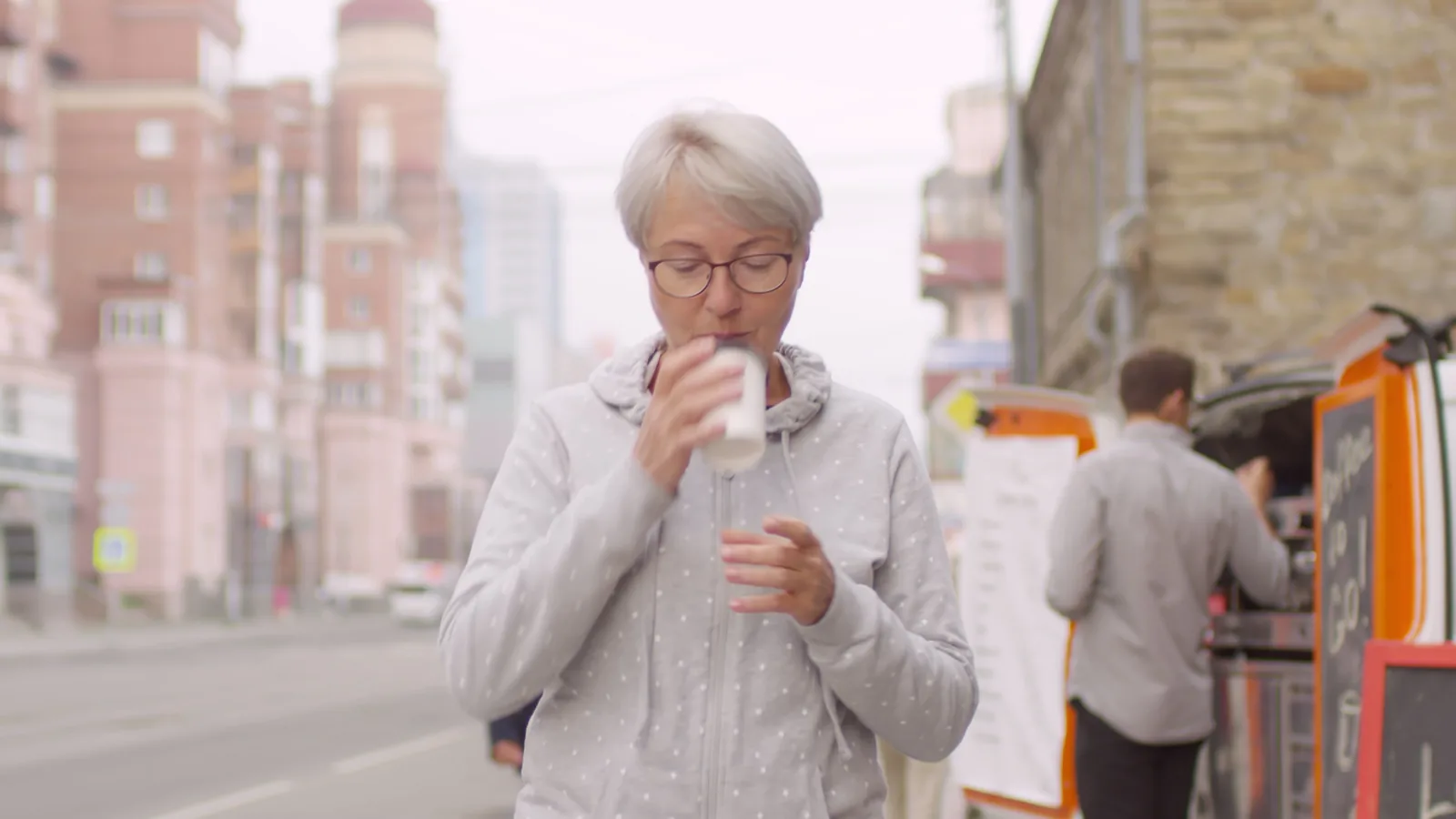
- Look for busy restaurants filled with local customers, not just tourists; a steady stream of locals is a strong signal of good food at a fair price.
Before You Start
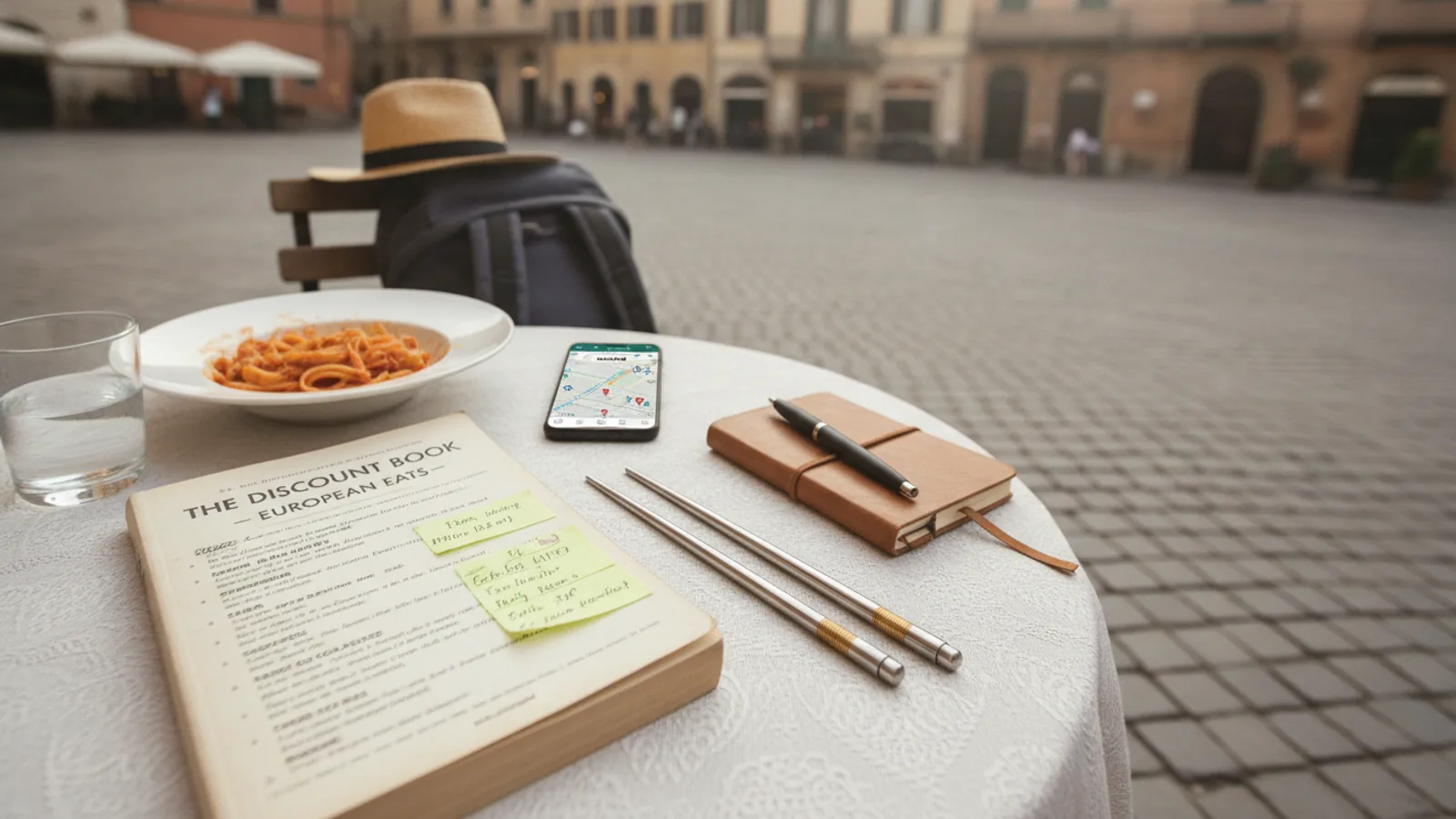
- Before you travel, save offline maps and downloaded restaurant reviews or recommendation lists to use even where internet is unreliable.
- Learn a few local phrases to ask for recommended restaurants, like 'Where do you eat?' or 'What is the best value meal?' in the local language.
- Set a daily food budget that is flexible but includes a range of eating options, from street stalls to sit-down meals, so you know your limits.
- Keep a small notebook or a notes app on your phone to record restaurant names, addresses, and prices of meals you enjoy for future reference.
Step-by-Step Instructions
Research before you travel
Before you even board the plane, spend a bit of time looking for restaurant recommendations in your destination. Use well-known travel guides, food blogs by locals, and review websites that allow sorting by price range and rating. Bookmark or save a list of the most promising places, focusing on areas away from main tourist attractions. Also, check if there are any local food hashtags on social media platforms; often locals post their favorite spots. This preparation gives you a head start and prevents aimless wandering when you are tired and hungry. As a practical check, see if you can find at least five restaurants that are not in the top recommended list for tourists, and make note of their addresses so you can plan your route to include them when you are in the area.
Ask the locals
Once you are at your destination, do not be shy to ask the people you meet for their personal favorites. Hotel receptionists, shop owners, cab drivers who have lived in the city for years, and even fellow travellers who have been there longer can give you invaluable tips. Frame your question in a meaningful way: instead of 'What is a good restaurant?', ask 'If you had one night off, where would you go for a great meal that doesn't break the bank?' This gets you a specific answer based on their genuine preference, not a tourist recommendation. As a practical check, ask at least three different locals from different areas, such as your host, a barista at a coffee shop, and a metro worker, and notice if you hear the same place mentioned. This consistency signals that the restaurant is reliably good and reasonably priced.
Observe restaurant dynamics
When you walk down a street full of eateries, take a moment to watch the restaurants before deciding. Look for places where the tables are occupied mostly by people speaking the local language, not English or other tourist languages. Also, notice if there is a constant flow of customers coming in for takeaways or eat-ins; a steady stream indicates that locals are choosing this place, which is a good sign for both quality and value. Avoid restaurants that have empty tables but aggressive staff trying to pull you in; these often rely on the tourist trade. As a practical check, you can time how long you stand outside: if you see at least ten customers enter or leave in five minutes, and the majority appear local, it is likely worth trying. This technique helps you bypass overpriced and underwhelming eateries that look nice at first glance.
Check online reviews on the spot
While local observations are great, online reviews can provide verified information when used smartly. Use your phone's browser to look up the restaurant on a review site, but filter for recent reviews from people who seem to be locals based on their language or the details they mention. Read a few reviews that are middle-of-the-road, not just the most positive or negative, to get a balanced picture. Look for comments that mention portion size, value for money, and wait times. As a practical check, look at reviews from the last month and note if any consistent negative comments come up about the food, service, or hygiene; if you see the same issue mentioned by several reviewers, skip that place. This quick check time is worth it because the difference between an average meal and a great one can be just a few taps on your screen.
Use your nose and eyes
Before you even look at a menu, let your senses guide you. Stand a bit away from the restaurant entrance and see if you can smell enticing aromas of cooking; a place that smells of fresh spices, garlic, or grill is likely preparing food from scratch. Also, pay attention to the seating and table setup: if the tables are sticky and the floor is dirty, that might signal poor hygiene, which could affect the safety of the food. Conversely, a place that is slightly worn but clean, where you can see the kitchen staff in action, is often a great sign. As a practical check, walk past the restaurant at a slower pace and observe whether you see any locals eating there, and if the dish that seems to be the house specialty is steaming and being taken to multiple tables. If you see a crowd of workers enjoying a meal, that likely means the food is good and reasonably priced.
Know when to step away
It is completely okay to decide a restaurant is not for you without feeling obligated to stay. If you have looked at a menu and the prices seem unreasonably high for the area, or you see hidden charges, it is better to politely walk away. Sometimes you might be seated but then see that the menu is not what you expected, or the atmosphere is not right; trust your gut. A good approach is to ask to see the menu and then say you need to meet someone, and leave if you feel uncomfortable. As a practical check, before you order, confirm if taxes and service charges are included in the menu prices. If the menu is in a foreign language and you cannot decipher it, ask the server to recommend a dish and see if the price quoted matches what you expect. This final check prevents bill surprises and ensures you do not overspend on a meal that is not worth it.
Quick Reference
| Situation | Action | Why it helps |
|---|---|---|
| You are standing in a touristy square with many restaurants and all have similar menus and prices. | Walk a few streets away from the main square, preferably in residential areas, and look for a place where the menu is in the local language and the clientele is mostly local. | Restaurants that rely on tourists often inflate prices and lower quality; venturing away finds you authentic cuisine at better value. |
| You are about to order and realize the menu has no prices in the local currency or the prices seem very high. | Ask the server to confirm the total price including any taxes or service charges before you order, or choose a place with clear pricing. | This prevents bill shock and ensures you are paying a fair price for the meal, not a tourist-rippoff. |
| You are hungry but tired and the first restaurant you see is very crowded with locals queuing up. | Check the queue length and wait time; if it is short, wait, but if it is long, consider a nearby alternative that is still busy but not overcrowded. | Popular local spots are good, but if you are exhausted and starving, wasting time in a long line may not be worth it, so seek a similar place. |
Common Issues
- Your restaurant search is limited to tourist zones because you are not sure where else to go.: Use your maps app to look for clusters of local eateries near residential areas or shopping streets used by locals, and ask for recommendations from your accommodation host or someone working at a local store.
- You keep ending up in medium-quality chain restaurants because they are familiar and easy to find.: Force yourself to try at least one new non-chain restaurant a day, and use a review site with location filters to find independent places that have many positive reviews from locals.
- You read reviews but some negative comments worry you, and you are unsure if they are an outlier.: Look for patterns in reviews; if multiple recent reviews mention the same problem, such as slow service or cold food, take it seriously. Otherwise, ignore one-off complaints and give the place a chance.
Advanced Tips
- Consider visiting a restaurant for lunch instead of dinner, as many places offer set lunch menus at lower prices with the same quality of food.
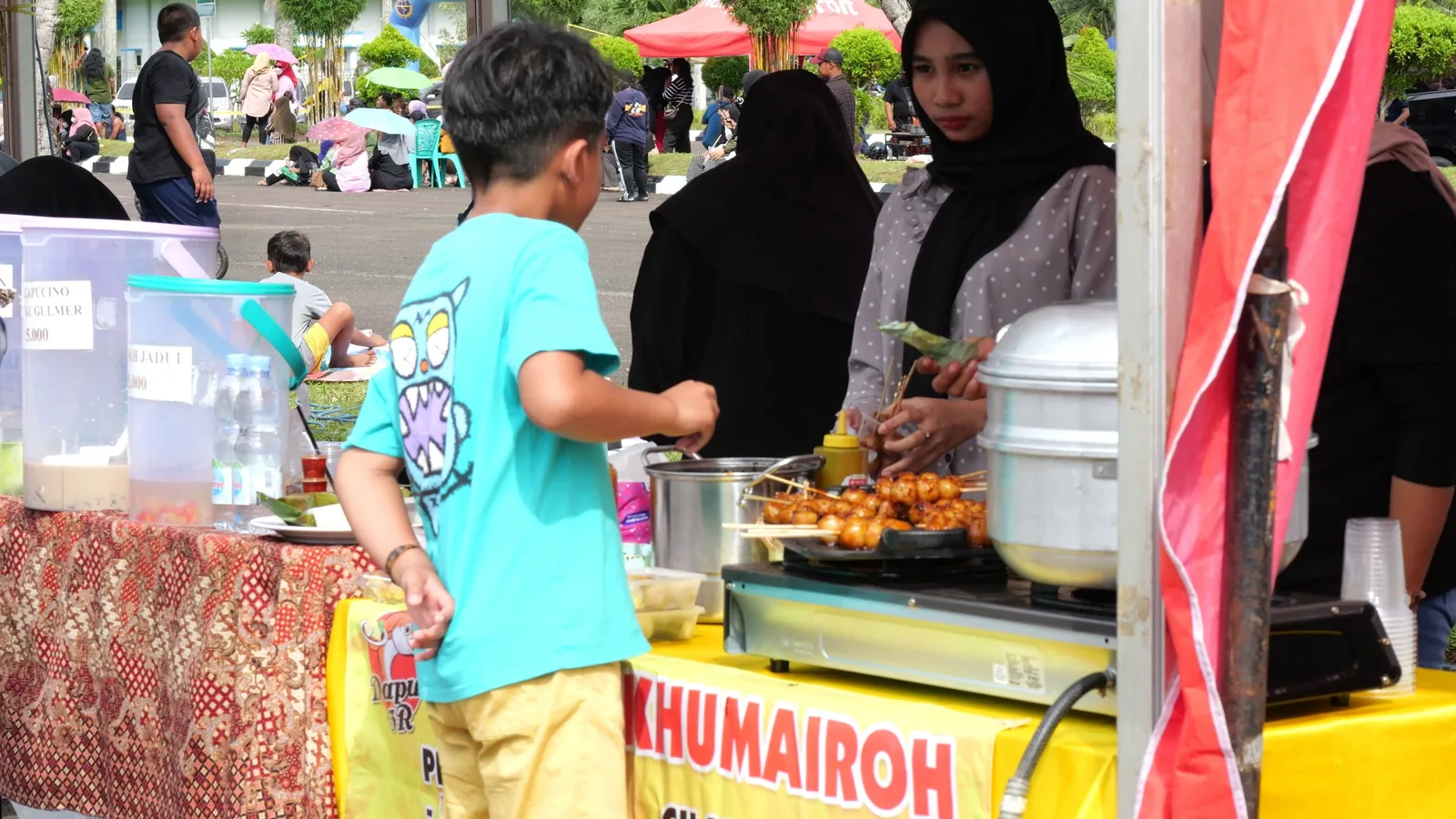
- Try street food markets or food halls, where you can sample small portions from several vendors to find what you like before committing to a full meal.
- If you are staying in an apartment with a kitchen, visit a local supermarket or market and create your own picnic dinner with fresh local produce, which is often cheaper and fun.
Final Checklist
- Use reliable online resources before you travel and save offline recommendations for easy access.
- Seek advice from locals and observe where they eat to identify authentic, value-for-money spots.
- Assess each restaurant's popularity, menu clarity, and hygiene before you commit to ordering.
- Always confirm the total cost before you order to avoid surprises on your bill.
FAQ
How can I find good restaurants without using the internet?
You can rely on your senses and local knowledge. Walk around neighborhoods and look for places that are busy with locals, where you can smell fresh cooking, and where the menu is in the local language. Ask shopkeepers, taxi drivers, or people who seem to live in the area for their favorites. Also, trust your instincts; if a place seems too empty or too pushy, move on.
What should I do if I get to a restaurant and the menu is only in a foreign language?
You can try to communicate with the staff using simple gestures or a translation app on your phone to ask for their recommendations. Look at what other customers are eating and point to a dish that looks appealing. If you are adventurous, ask for the house specialty. Just remember to confirm the price before ordering to avoid surprises.
Is it better to eat at a restaurant that is full of tourists or one that is empty?
Typically, an empty restaurant is not a good sign, as it may lack customers for a reason. However, a restaurant full of tourists might be popular but could be overpriced or adapted to foreign tastes. The best option is to look for a place that is busy with locals, as this usually indicates good food and reasonable prices. If you see a mix of locals and a few tourists, that is often a great balance.