A Practical Guide To Useful Home Finds That Solve A Small Everyday Problem
A practical step-by-step guide to a practical guide to useful home finds that solve a small everyday problem, including preparation, instructions, common issues, tips, and next steps.
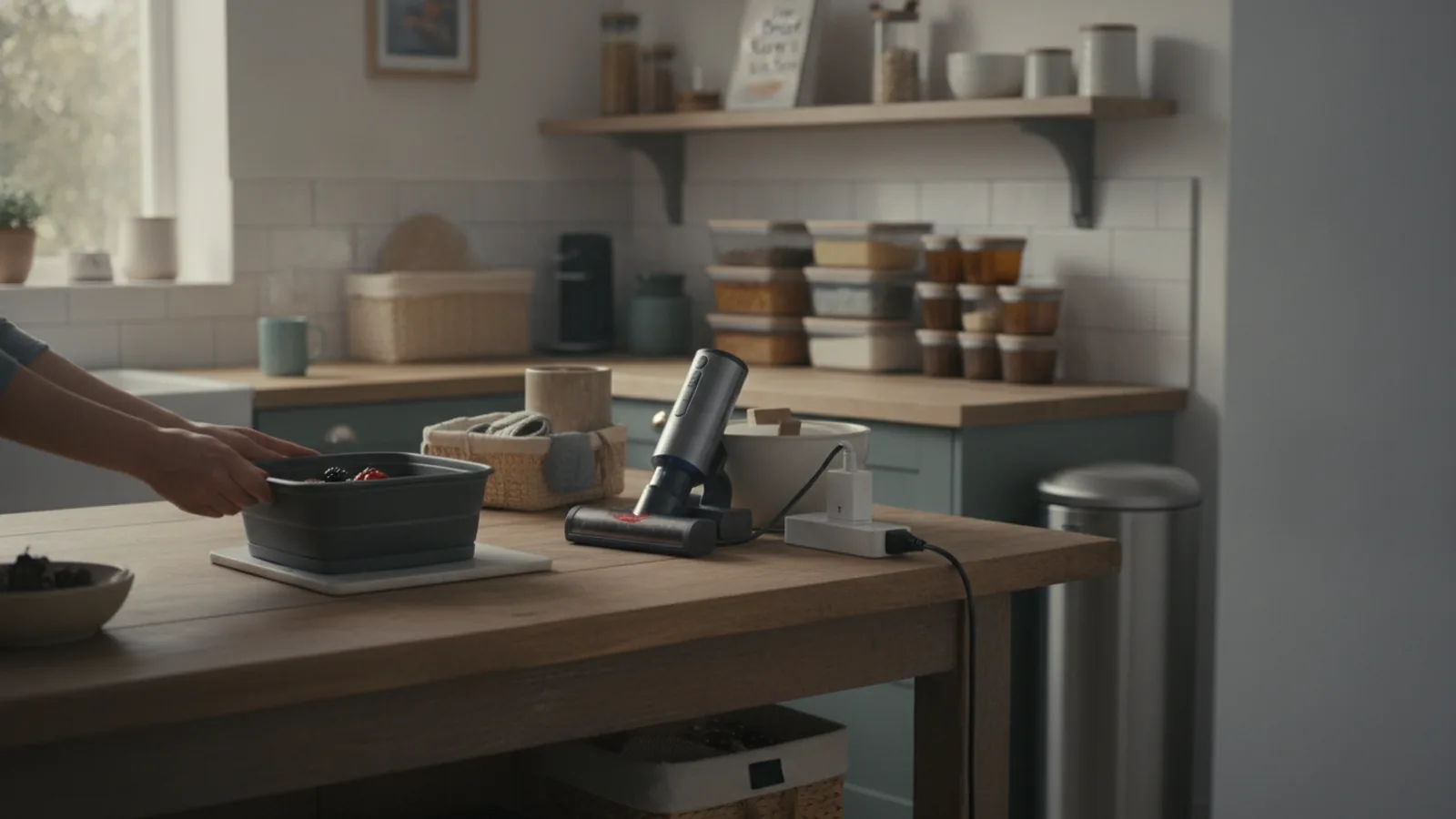
A Practical Guide To Useful Home Finds That Solve A Small Everyday Problem
This practical guide helps you discover clever home finds that solve small everyday annoyances, from tangled cords and slippery rugs to messy drawers and dull knives. You'll learn how to evaluate products, use them effectively, and maintain them for lasting convenience. With straightforward steps and troubleshooting tips, you can turn minor frustrations into easy wins.
Fast Answer
- Look for versatile tools that address a specific nagging issue, like a magnetic cable holder for tangled chargers or a silicone mat that keeps cutting boards from sliding.
- Before buying, check material quality, size, and ease of cleaning to ensure the item truly fits your space and routine.
Before You Start
- Identify the top three small problems you face daily, such as lost remote controls, cluttered countertops, or uncomfortable grips on kitchen tools.
- Measure the space where you plan to use the item, including depth, width, and height, to avoid buying something too large or too small.
- List your must-have features, like non-slip backing, water resistance, or dishwasher safety, and rank them by importance.
- Read product reviews from multiple sources to learn how the item holds up over time and whether it works as described.
Step-by-Step Instructions
Pinpoint Your Everyday Annoyance
Start by making a list of the small frustrations you encounter regularly, like a drawer that jams because of scattered utensils, a phone charger that always falls off the nightstand, or a cutting board that slides while you chop. Pick one that bothers you the most. Then, describe the exact problem in detail: When does it happen? What makes it worse? For example, does the charger fall only when you unplug it with one hand? This concrete description helps you narrow down what features you need, such as a weighted base or a non-slip grip. You should also note how often you use the item and whether a permanent solution, like a wall-mounted organizer, would be better than a portable one. By clearly defining the problem, you avoid buying a generic tool that only partially fixes it.
Choose a Tool That Fits the Job
Once you know the problem, look for a product specifically designed for that issue. For example, if tangled cables annoy you, a magnetic cable clip that attaches to the edge of your desk is a straightforward solution. If your rug curls at the corners, corner grippers that stick to the floor and hold the rug flat are better than a heavy rug pad that might slide. When comparing options, check the material: silicone and rubber offer good grip and are easy to clean, while metal or wood may last longer but could scratch surfaces. Also, consider the installation method—adhesive strips are simple but may leave residue, whereas screws or suction cups require more effort but are more permanent. Read the package details to see if the item’s size matches your measured space. A tool that fits perfectly is more likely to work as intended.
Test the Tool in Real Life
After you bring the item home, try it in the actual spot where you plan to use it. For instance, place the magnetic cable clip on your desk edge and hang your charging cable to see if it holds firmly and doesn’t interfere with your work surface. If you bought a non-slip mat for your blender, put it on the counter, set the blender on top, and give a gentle push to see if it stays in place. Use the tool for a few days, not just once, because small issues may appear over time. This test period helps you notice any weaknesses, like a grip that loosens after repeated use or a material that attracts dust. If the item fails, you can return it or adjust your usage. If it works, you’ll gain confidence in the solution.
Integrate the Tool into Your Routine
To get the most from your new find, weave it into your daily habits. For example, if you bought a kitchen utensil drawer organizer with compartments, assign each slot to a specific tool, like spoons in one, spatulas in another. This makes it easy to put things away and find them later. Similarly, if you have a key finder that attaches to your keys, make it a habit to clip it on as soon as you get home or before you leave. Consistency is key—the tool only helps if you use it every time. You might also share the habit with others in your household by explaining where each item goes or by labeling sections. Over time, the solution becomes second nature, and the original problem fades away.
Maintain and Adjust as Needed
Even the best household helpers need occasional care to stay effective. For adhesive hooks, wipe the surface regularly to remove dust that weakens the stickiness. For suction cups, re-press them firmly after cleaning the tile or glass. If a tool starts to wear out, like a silicone grip that loses its tackiness, wash it with mild soap and water, then let it air dry. For fabric items, such as a rug gripper that’s a sticky tape, check the adhesive every few months and replace if it becomes less effective. Sometimes, you might need to adjust the placement—for instance, moving a shelf liner to a different spot if it crinkles. Regular maintenance not only extends the life of the item but also ensures it continues to solve the problem without new ones.
Evaluate and Swap if Necessary
After a month of use, assess whether the tool truly solves your problem. Ask yourself: Is the annoyance gone, or has it just moved? For example, a cord clip might stop the cable from falling, but if it can’t hold the adapter because it’s too heavy, you might need a larger clip or a small tray instead. If the item doesn’t live up to your expectations, don’t force it—return or repurpose it. You can also try a different style, like a wall-mounted hook instead of a stick-on clip. Occasionally, you may discover that a new habit, like charging your phone in a designated spot, works better than a physical tool. The goal is to find a sustainable fix that feels natural. If one solution isn’t perfect, mix and match until you find what works.
Quick Reference
| Situation | Action | Why it helps |
|---|---|---|
| Your phone charger keeps falling off the nightstand and tangling with the lamp cord. | Attach a weighted magnetic cable clip to the edge of the nightstand, then hold the charger’s connector against the magnet until it clicks. | The magnetic grip holds the cable tip securely, and the weighted base keeps the clip stable, so the charger stays put when you unplug it. |
| Cutting boards slide on the counter while you chop vegetables, making the task unsafe. | Lay a thin, non-slip silicone mat under the cutting board, pressing down firmly to eliminate air bubbles, and then begin chopping. | The silicone’s grip grips both the counter and the board, preventing movement and reducing the risk of slips and injuries. |
| Kitchen drawers become a jumbled mess with spoons, spatulas, and whisks all mixed together. | Insert a compartmentalized drawer organizer that fits your drawer’s width, and assign each tool to a specific slot based on type and size. | Designated spaces keep similar items together, making them easy to find and return, which cuts down on rummaging and clutter. |
Common Issues
- The adhesive on the wall hook peels off after a few days.: Clean the wall surface with rubbing alcohol and let it dry completely before applying the hook. Press firmly for at least 30 seconds, then wait 24 hours before hanging anything.
- The silicone mat slides sideways when you push hard on the cutting board.: Choose a mat with a higher friction surface or a larger size. Alternatively, dampen the counter slightly—moisture increases the temporary adhesion of some mats.
- Drawer dividers do not stay in place and shift whenever you open the drawer.: Look for dividers with adjustable length or those that use a spring mechanism to press against the sides. Also, arrange heavier items near the middle to balance the load.
Advanced Tips
- Use a heat gun to gently warm a stubborn adhesive backing before removal; this softens the glue and prevents marks.
- For a temporary fix, reuse the sticky side of a large Post-it note by placing it under a small object like a cable clip; it provides a non-damaging grip.
- If you have multiple small items to organize, take an empty egg carton and spray-paint it to match your décor, then use it to hold paper clips, pushpins, or buttons.
Final Checklist
- Identify the specific everyday problem you want to solve and describe it in one sentence.
- Measure the area and list necessary features to ensure the product fits and works correctly.
- Test the item in its intended location for several days, noting any issues with grip or stability.
- Incorporate the tool into your daily routine and perform regular cleaning or re-adjustment to maintain effectiveness.
FAQ
How do I know if a product will work for my specific situation?
Look at product photos and reviews that show it in use, and compare the dimensions with your measured space. If possible, choose adjustable or versatile designs, and start with a low-cost item to test the concept. You can also look for before-and-after images or video demonstrations online to see it in action. When you receive the item, try it in the exact spot and be honest about whether it solves the problem. If it doesn’t, review other options with different features.
What should I do if the product leaves marks or damages my surfaces?
First, try to remove the marks gently with a soft cloth and warm soapy water. Avoid harsh cleaners or abrasive pads that could cause more damage. For sticky residue, use a small amount of cooking oil or a specialized adhesive remover, and test on a hidden area first. If the product uses suction cups, remove and reattach after cleaning the surface thoroughly. In the future, opt for products with removable adhesive strips that are designed to peel off without residue, and follow the manufacturer’s instructions for removal to minimize any damage.
Can I use these tools in multiple places, like the kitchen and bathroom?
Yes, many most household tools are versatile, but check the material and care instructions to ensure they can handle different environments. For example, silicone mats work well on counters and in bathrooms, but ensure they are resistant to moisture and mold. For adhesive hooks, check if they are suitable for tiled, painted, or textured walls. When moving a tool from one room to another, clean the surface and reapply or reattach as needed. Always test on a small area first to avoid damage.