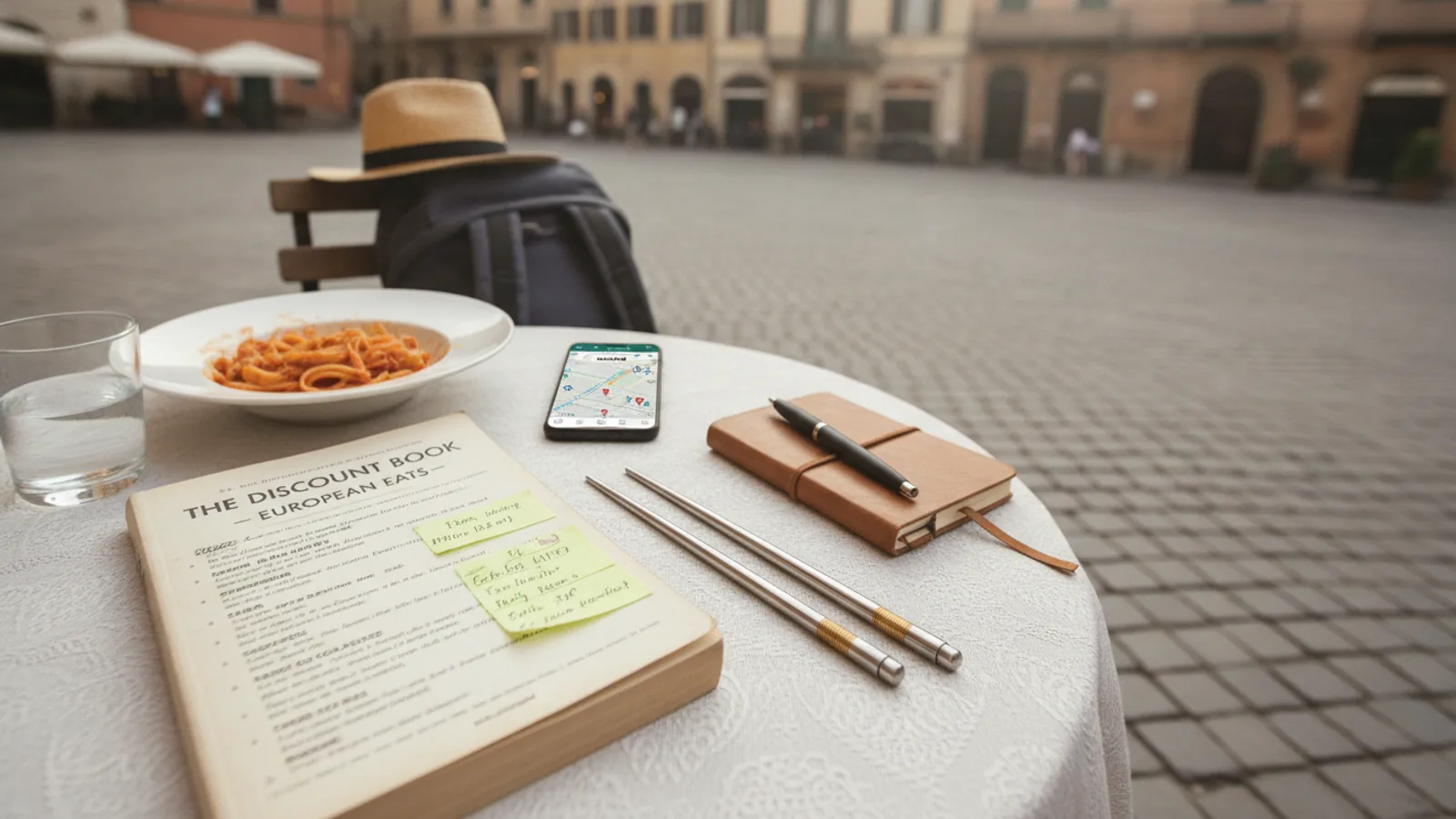
A Practical Guide To A Low Cost European City Break Without Losing The Good Parts
A practical step-by-step guide to a practical guide to a low-cost European city break without losing the good parts, including preparation, instructions, common issues, tips, and next steps.
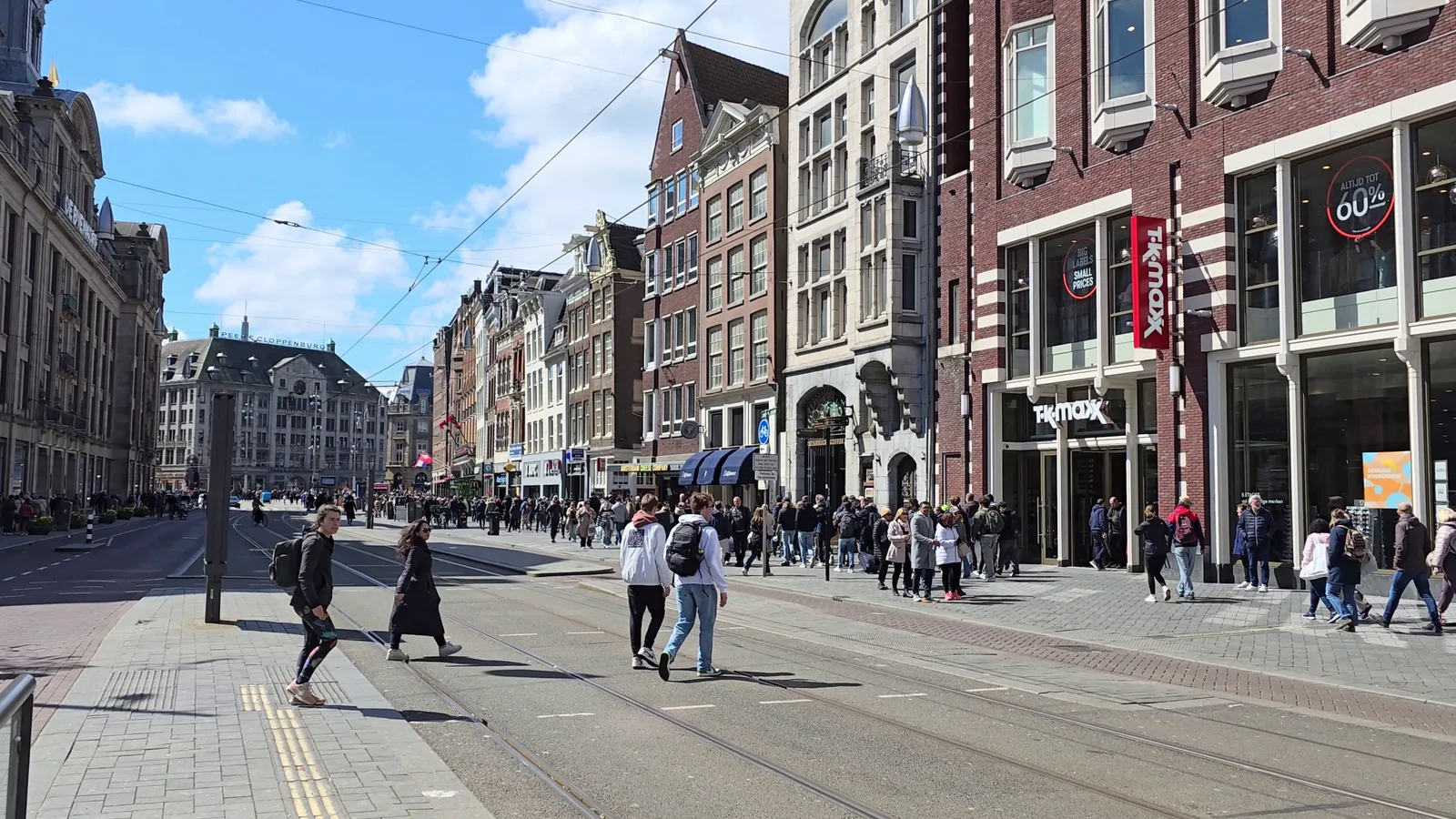
A Practical Guide To A Low Cost European City Break Without Losing The Good Parts
A low-cost European city break can still feel rich if you reserve your spending for the moments that matter. Instead of cutting every pleasure, you focus on easy savings in transport, lodging, meals, and sightseeing. Choose a compact capital with walkable streets, use early-bird and off-peak tricks, and let locals guide you to free treasures. A little preparation—like knowing which attractions require pre-booking and which areas have free entry days—helps you avoid both queues and overspending. The result is a trip where you watch sunsets from scenic viewpoints, eat where residents eat, and return home with memories rather than debt. This guide gives you a tested sequence of decisions, from choosing dates to packing smart, so you can enjoy a stylish break without giving up the good parts.
Fast Answer
- Pick a compact, walkable city with a strong network of public transport and free cultural sites, then time your visit for shoulder season when accommodation and flights are less expensive and crowds are thinner.
- Reserve your splurges for one memorable meal and one must-see attraction, while using free walking tours, picnic lunches, and self-guided routes to keep the rest of your budget for experiences that make the trip special.
Before You Start
- Research your chosen city's tourist card and free-museum days before you book anything; often a single card can cover transport and entry fees, but only if you plan your sightseeing around its validity.
- Set a daily spending cap in your head and then divide it into three envelopes: one for meals, one for attractions, and one for spontaneous treats—this keeps you flexible without breaking your plan.
- Learn a few local phrases for ordering food and asking for directions; locals often respond with insider tips about cheaper lunch menus or free rooftop views that are not in guidebooks.
- Pack a reusable water bottle, a small daypack, and comfortable walking shoes because you'll be on your feet for hours; staying hydrated and comfortable prevents impulse taxi rides or café stops out of tiredness.
Step-by-Step Instructions
Choose a compact city and shoulder-season dates
Start by listing cities that are naturally walkable, have a dense historic center, and a public transport system that fits a short stay. Capitals like Lisbon, Prague, or Budapest often offer free bridges, viewpoints, and parks, which stretch your budget. Then aim for a shoulder month—late spring or early autumn—when the weather is still pleasant but the school-holiday crowds have gone. To make a concrete decision, write down your top three cities and compare their official tourist websites for free events and off-peak rates. Check your own work schedule and set a three-day window. Finally, confirm that your chosen dates avoid major local festivals that can spike accommodation prices. This check matters because a city that is inexpensive in low season can become pricey during a marathon, music festival, or bank holiday, so a quick calendar review saves you from paying triple rates.
Book a self-catering room near a transit hub
Look for a private room in an apartment that has a small kitchen, ideally two or three tram stops away from the main train station, rather than a hotel in the tourist center. Self-catering allows you to prepare a simple breakfast and an occasional lunch, cutting meal costs significantly. To execute, use a booking site's search filters to select 'entire home/apt' or 'private room' and switch the sort order to 'price'. Read at least five recent reviews about cleanliness and street noise. Then verify the exact walking distance to the nearest tram, metro, or bus stop using a maps service. A practical check is to calculate a trial route from the transit node to your accommodation—if it's more than fifteen minutes with bags, discard. This matters because a conveniently located but slightly further apartment saves you daily taxi fares and lets you store groceries. Whether you choose a studio or a one-bedroom, confirm that the kitchen has a hob and a kettle, because you may want to boil water for tea or cook pasta.
Plan one splurge and several free viewpoints
List the top three expensive attractions you are excited about, then pick only one for a paid visit; for the other two, find free alternatives like public viewing platforms, parks, or church towers. For example, if you want a panoramic view of the historic center, research a free climbable hill instead of a paid observation deck. To implement, write down the exact opening hours of your chosen splurge and book a timed ticket in advance to avoid queues. Then identify at least three free vistas: a riverside bridge, a castle garden, or a government building's courtyard. A concrete check is to read a recent traveler review that mentions whether the free viewpoint is actually open on the day you plan to go, because some close on Mondays. This matters because you avoid disappointment and you free up money for a dinner that locals rave about. Remember to carry a simple city map with all public viewpoints marked.
Eat like a local with lunch specials and markets
Skip hotel breakfasts and instead find a bakery for a coffee and pastry, then make your main meal at midday when many restaurants offer a fixed-price lunch menu that is substantially cheaper than dinner. Scope out the local market hall first thing in the morning; you can buy fresh bread, cheese, fruit, and olives for a picnic lunch while you sightsee. To put this into action, use a food-blog search for 'best lunch specials near [city]' and write down three addresses. Then, on the first day, wander to the market and note a deli stand that fits your budget. Always carry a small reusable bag for purchases. A practical check is to compare the cost of a lunch menu versus the same dish at dinner on the menu outside the restaurant; if the price difference is small, skip it. This check ensures you are not fooled by tourist-trap 'specials.' Eating well matters because food is a core of the cultural experience, and you want to taste local recipes without spending a fortune.
Use public transport passes and your feet wisely
Calculate whether a single-day or multi-day transport pass is cheaper based on how many times you estimate taking public transport; then plan to walk at least two-thirds of your routes through the historic district. To execute, download the official transit app of your destination and look for daily or weekly caps on fares. Write a small table with your planned daily trips: one metro ride to a far museum, then walking loops within separate neighborhoods. A practical check is to compare the cost of three single tickets versus one day pass; if you are not sure, buy a single ticket first and decide later. This matters because a pass can save you money only if you ride more than a certain number of times, but you also want to avoid buying a pass for today and then using your feet all day. Use a pedometer app on your phone to track your steps, and if you are tired, taking a tram for two stops is still cheaper than a taxi.
Packing and laundry to save time and money
Pack for a maximum of five days using a carry-on backpack or rolling bag, and plan to mix-and-match neutral-colored clothes that can be worn in multiple combinations. To accomplish this, lay out your outfits on your bed: three bottoms, four tops, a light jacket, and comfortable shoes. Count the number of socks and underwear you need for the trip, and then add one extra set. Bring a small liquid detergent sheet pack and, if permitted by your accommodation, hand-wash a few items in the sink mid-trip. A practical check is to ask your host if they have a washing machine or if there is a self-service laundromat nearby, and note the operation hours. This matters because doing one small load on the third day lets you pack lighter and avoid paying airline fees for checked baggage. Use a packing cube to separate clean and dirty clothes, and roll items instead of folding to save space.
Quick Reference
| Situation | Action | Why it helps |
|---|---|---|
| You realize you've been in a café and you've spent more than you planned on coffee and cake. | Stop ordering at sit-down places; switch to take-away coffee from a bakery, and have your next snack from a market | Take-away drinks and market bites cost far less because you skip the service charge and the markup for the table. |
| A famous museum is sold out for the afternoon and you have only two hours left. | Abandon the queue and walk to the nearest free public garden or riverside walk; use your map to find a park. | You'll enjoy the atmosphere without wasting time or money, and you can catch the museum on a less busy morning. |
| You're running low on energy and daylight, and you haven't seen the sunset viewpoint you wanted. | Take a tram or bus to the viewpoint instead of walking if it's within two stops; you have a pass, so the ride costs nothing. | Using public transport preserves your energy for the evening splash, and you save time for a relaxed dinner. |
Common Issues
- You discover that the 'free walking tour' requires a tip and makes you feel pressured.: Politely decline to give a specific amount and instead say you'll contribute only what you feel; if you feel pressured, you can leave early without paying. You can also find self-guided audio tours online for free.
- Your self-catering apartment lacks basic cooking supplies like oil or salt.: Before you arrive, message the host to ask what is included; if not, buy a small bottle of oil and a tiny packet of salt from a supermarket, or choose a recipe that needs only bread, cheese, and fruit.
- Your phone's map app fails when you are in a dense historic quarter with narrow streets.: Download an offline map of the entire city for the days you are there before you leave home; also print a small paper map as a backup and learn to orient yourself by landmarks like churches or bridges.
Advanced Tips
- Use a no-fee bank card with no foreign transaction charges, and always pay in the local currency when offered 'dynamic currency conversion', because choosing your own currency typically adds a hidden fee.
- Find a city that offers a 'discount card' that bundles museum entry and public transport, but do the math first; if you plan to wander more than enter museums, the card may not pay off.
- Attend a free concert, lecture, or open-air movie screening in a public square that is listed on the local event calendar; you'll get authentic culture without paying for a ticket.
Final Checklist
- Check the opening hours of all free viewpoints and the museum you plan to visit; update your notes before you leave.
- Print or download offline maps, museum reservations, and your accommodation's address on your phone's lock screen.
- Calculate your daily budget and divide cash into two small pouches: one for meals, one for attractions.
- Verify that your passport and any required documentation are valid for the whole travel period; renew if necessary.
FAQ
How can I find the best flight deals without spending hours searching?
Set up price alerts on a fare-comparison site and sign up for newsletters from budget airlines that fly to your chosen city. For maximum savings, be flexible with your departure dates and nearby airports, and book between one to three months ahead, but also check the airline's own website, as it sometimes offers exclusive discounts. Remember to compare the total cost including baggage fees, because a low fare without luggage may be a poor deal if you need to pack more than a carry-on.
What is the biggest mistake people make on a budget city break?
Trying to see too many sights in a short time. This leads to wasted time in transit and impulse spending on food and taxis because you're exhausted and hungry. Instead, pick a small number of neighborhoods and walk between them, leave buffer time for a spontaneous park or café. Also, many people forget to factor in the exchange rate and end up paying more for souvenirs or meals; always check the cost in your home currency before paying.
Can I still have a nice dinner out without going over budget?
Absolutely. Opt for a weekday lunch special, especially in a family-run restaurant, and you can often enjoy a two-course meal for less than a typical dinner entrance. Alternatively, order a starter as your main course, share a dessert, and drink tap water if it's safe. A good strategy is to eat a late, generous lunch and then have a light evening snack from a bakery, which gives you the experience without the dinner markup.