How To Make A Rented Living Room Feel Finished
A practical step-by-step guide to how to make a rented living room feel finished, including preparation, instructions, common issues, tips, and next steps.
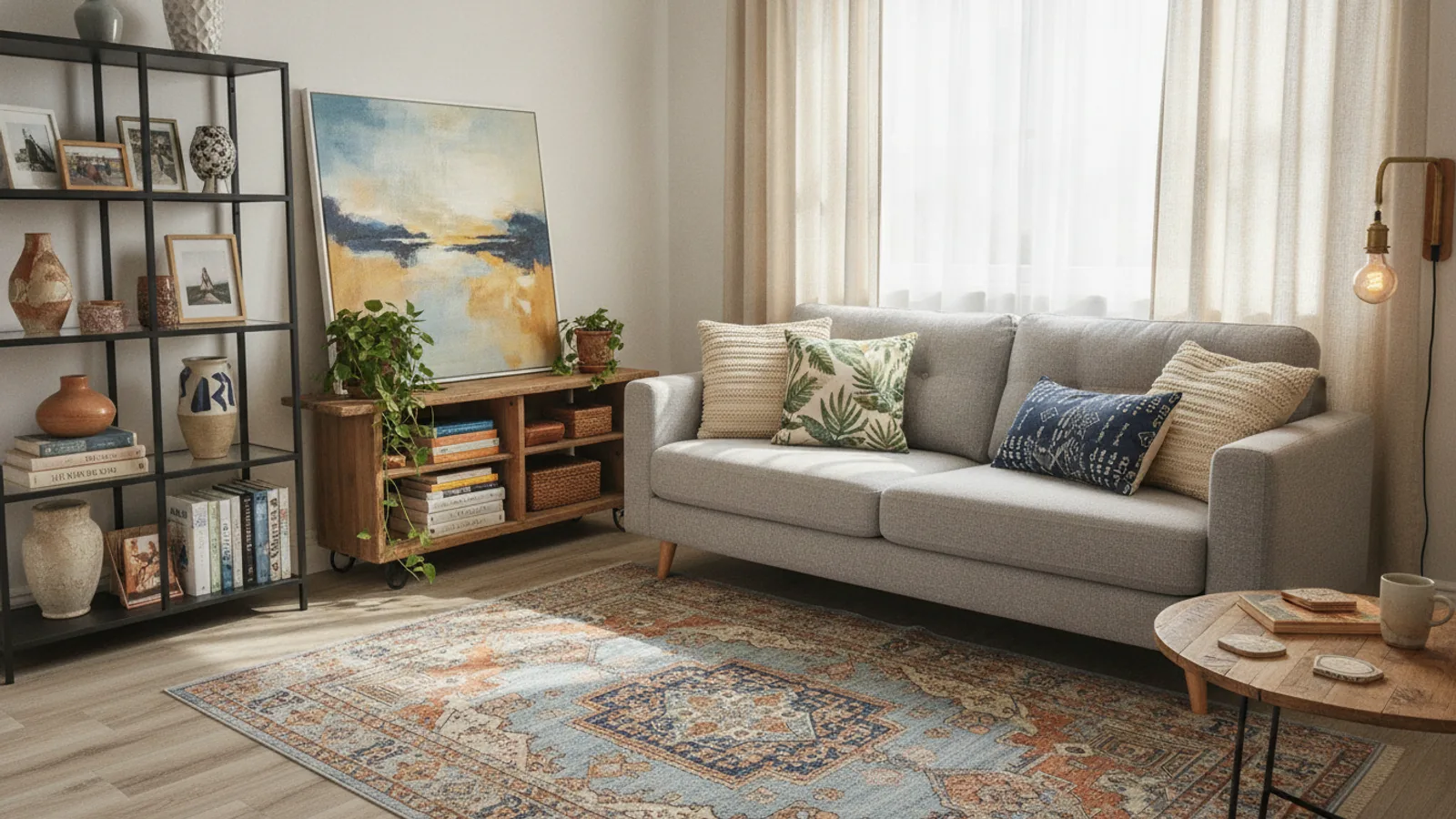
How To Make A Rented Living Room Feel Finished
Renting a living room often means working with neutral walls, standard flooring, and builder-grade fixtures that can feel impersonal. The goal is to make the space reflect your personality without risking your security deposit or making permanent alterations. This guide focuses on temporary, damage-free solutions that add warmth, texture, and character. You will learn to layer lighting, use fabric and furniture arrangement, and incorporate personal items that transform the room into a cozy, finished space. The approach emphasizes planning, practical execution, and easy reversal when moving out. With simple techniques and a careful eye, you can create a living room that feels intentionally designed, even when you are not allowed to paint or mount shelves.
Fast Answer
- Start by removing visual clutter and improving lighting with a mix of floor lamps, table lamps, and string lights to create a warm, layered glow that makes the room feel inviting.
- Add texture and color with removable items like throw pillows, area rugs, curtains, and temporary wallpaper to infuse personality without damaging walls or floors.
Before You Start
- Take photos of the room and measure the dimensions of walls, windows, and floor space to plan furniture arrangement and shopping lists accurately.
- Review your lease or rental agreement to understand any restrictions on wall hangings, lighting fixtures, or changes to flooring.
- Set a specific budget for temporary décor items, focusing on high-impact pieces like rugs, lighting, and window treatments.
- Gather basic tools such as a tape measure, level, adhesive hooks, and a stud finder to ensure safe, secure installation of any items.
Step-by-Step Instructions
Declutter and Define the Focal Point
Start by removing any items that are not functional or decorative, such as boxes, unused electronics, or oversized furniture that overwhelms the room. Clear surfaces like coffee tables, side tables, and media consoles of unnecessary items. After decluttering, identify the room's natural focal point—often a large window, a fireplace, or the television—and arrange your furniture to face it. For rented spaces, use a large area rug to anchor the seating area and define the purpose of the room. Choose a rug that fits the space, leaving at least 18 inches of floor visible around the edges. This visual anchor makes the room feel intentional and finished. Check that traffic paths remain clear, allowing at least 3 feet of walkway. This check matters because a well-defined focal point and open pathways make a room feel organized and inviting, not cramped.
Layer Lighting for Warmth
Assess the existing overhead lighting—it often produces harsh, flat illumination. Introduce multiple light sources at different heights: place a floor lamp behind a seating area, table lamps on side tables, and small accent lights on shelves or mantels. Use warm-toned bulbs (2700-3000K) to create a cozy atmosphere. Add string lights along the top of a bookcase or around a window frame for a soft glow. Make sure each light is plugged into an outlet safely, without overloading circuits. Use dimmer switches if available, or opt for plug-in lamps with built-in dimmers. For a practical check, turn on all lights at night and walk around the room to ensure there are no dark corners or glare on screens. This check matters because balanced lighting reduces eye strain and makes the room feel fuller and more welcoming.
Add Textiles for Color and Softness
Select textiles that add color, pattern, and comfort. Start with curtains or drapes that extend beyond the window frame to make windows appear larger. Hang them with a tension rod or adhesive brackets that do not require screws. Choose heavy fabrics like velvet or linen to add texture. Add a throw blanket to the back of a sofa or a chair, and mix pillows in complementary colors and patterns. An area rug is the most impactful textile—choose one that contrasts with the floor to define the seating area. If you have hard floors, use a rug pad to keep it in place and protect the floor. For a practical check, ensure that all textiles are machine washable or easily spot-cleaned, especially in high-traffic areas. This check matters because textiles are the easiest way to change a room's mood, but they need to be durable and easy to maintain.
Incorporate Personal and Artistic Touches
Display items that reflect your personality, such as framed photos, artwork, or collectibles. For rented walls, use removable adhesive hooks or picture-hanging strips that do not damage paint. Create a gallery wall by arranging frames of various sizes on the floor first, then transferring the layout to the wall with paper templates. Add a large mirror to bounce light and make the room feel larger. Use books, vases, or candles to style shelves and coffee tables. Avoid overcrowding—leave some empty space to let the eye rest. For a practical check, stand back and see if the room feels balanced, with visual weight distributed evenly. If one area looks sparse, add a tall plant or a floor mirror. This check matters because personal touches make the space feel uniquely yours, but too many items can create visual chaos.
Rearrange Furniture for Conversation and Flow
Position seating pieces to face each other rather than all pointing at the TV, which encourages conversation. Pull furniture away from walls to create intimate groupings. For example, place two chairs across from a sofa with a coffee table in between. If you have a long narrow room, create two zones: one for lounging and one for reading or working. Ensure that all pathways are comfortable, and that each piece of furniture serves a purpose. Use furniture pads under legs to protect flooring and make it easy to move pieces. For a practical check, sit in each seating spot and see if the view is pleasant and the arrangement feels natural. Also, verify that you can easily access outlets without tripping. This check matters because a good layout maximizes the room's function and makes it feel more spacious and welcoming.
Finish with Greenery and Scent
Introduce indoor plants to bring life and freshness. Choose low-light varieties like pothos, snake plants, or ZZ plants if the room lacks bright sunlight. Place them in decorative pots that coordinate with your color scheme. If you prefer low-maintenance options, high-quality artificial plants can also add a lively touch. Additionally, add a subtle scent with unscented candles or a reed diffuser—not overwhelming but pleasant. Place plants at different heights: a tall plant on the floor, a small one on a shelf, and a trailing vine on a high ledge. For a practical check, assess the light levels in your room by observing shadows at different times of day, and choose plants accordingly. Ensure that watering needs match your schedule. This check matters because plants can improve air quality and mood, but they need proper care to thrive—dead plants are a definite finishing flop.
Quick Reference
| Situation | Action | Why it helps |
|---|---|---|
| Scratched or scuffed walls from moving furniture | Use a melamine sponge or a mild cleaning solution to gently rub the marks, testing in an inconspicuous area first. If that does not work, repaint the affected area with a matching paint sample from the complex store. | This restores the wall to its original condition, preventing a security deposit deduction and keeping the room looking clean. |
| Worn or stained carpet | Place a large area rug over the affected area to hide it. Choose a rug that coordinates with your décor and covers the stain completely. Ensure the rug has a non-slip pad underneath. | An area rug is a removable and affordable way to hide imperfections without needing to clean or replace the carpet. |
| Feeling the room is cluttered and cramped | Remove at least 10 percent of items from surfaces and floor, then re-evaluate the space. Use storage baskets or decorative boxes to contain loose items, and consider selling or donating items you no longer use. | This reduces visual noise, making the room appear larger and more organized, and gives your design space to breathe. |
Common Issues
- Sticky residue left by adhesive hooks: Gently heat the residue with a hairdryer for 30 seconds, then use a plastic scraper or your fingernail to peel it away. For stubborn bits, apply a small amount of cooking oil or peanut butter, let it sit for 10 minutes, then wipe clean.
- Loose or slanted wall décor: For lightweight frames, use adhesive strips that are rated for the weight and press firmly for 30 seconds. For heavier items, use a stud finder to locate a solid anchor point and use a screw (if allowed) or a heavy-duty hook that hooks over the door or uses Command-type strips that support more weight.
- Cords and cables making the room look messy: Use cable clips or adhesive cord organizers to route cords along baseboards or furniture legs. For a cluster of cords, bundle them with a twist tie or use a fabric cord sleeve. Hide power strips behind furniture or inside decorative boxes.
Advanced Tips
- Install a tension rod in a doorway to create a temporary curtain partition, which adds privacy and coziness without altering the walls.
- Use an over-the-door shoe organizer as a vertical storage unit for remote controls, chargers, and small accessories, keeping them off surfaces.
- Create a custom headboard or wall accent by hanging a large fabric tapestry or using removable wallpaper on a single wall, then frame it with molding if allowed.
Final Checklist
- Decluttered all surfaces and identified a clear focal point to anchor the room's layout.
- Layered lighting with at least three sources, adjusting bulb warmth for a welcoming glow.
- Added textiles like curtains, rugs, and pillows that bring color and texture, and are easy to wash.
- Incorporated personal art, mirrors, and plants that make the space feel lived-in and balanced.
FAQ
How can I hang heavy items without damaging walls?
For heavy items like large mirrors or framed canvases, use adhesive strips that are specifically rated for the weight, following the manufacturer's instructions for surface prep and pressing. If the item is extremely heavy, consider using a leaning frame on the floor instead, or use a stud finder and install a screw into a stud, but that may cause a hole. Always refer to your lease to see what is allowed.
What's the best way to cover a large stain on an area rug?
If you cannot wash the rug, use a floor cloth or a smaller accent rug to cover the stain. Alternatively, place a piece of furniture like a coffee table or plant over the stain, but ensure it is intentional. For a temporary fix, use a removable carpet sticker or a fabric patch, though this may not be a perfect match.
How can I make a blank wall look interesting without painting?
Create a gallery wall using removable hooks and paper frames with lightweight prints. Alternatively, use a large decorative tapestry, a wall hanging, or a set of string lights. You can also use removable wallpaper on a single accent wall for a bold change, which peels off clean.