How To Create A Cozy Reading Nook At Home
A practical step-by-step guide to How to create a cozy reading nook at home, including preparation, instructions, common issues, tips, and next steps.
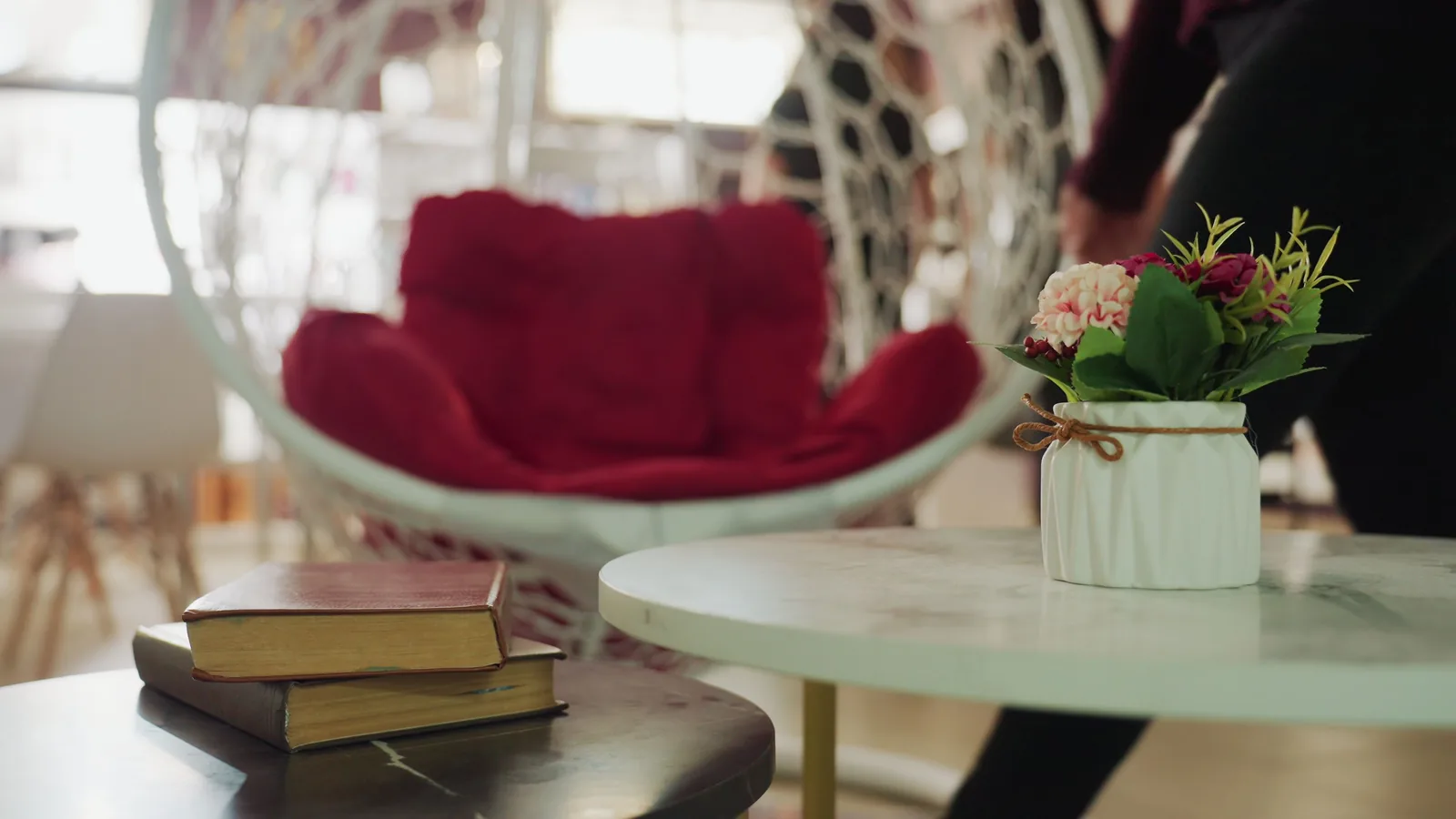
How To Create A Cozy Reading Nook At Home
Creating a cozy reading nook at home is a rewarding project that combines comfort, light, and personal style. This guide walks you through choosing a spot, gathering essentials, arranging furniture, layering textures, and fine-tuning the atmosphere. You will learn how to make a small space feel inviting and functional, so you can enjoy many quiet hours with a good book.
Fast Answer
- Pick a quiet corner with good natural light or a floor lamp, then add a comfortable chair, a small side table, and a soft throw blanket.
- Layer lighting with a warm bulb, keep essentials within arm's reach, and test the nook by sitting there for ten minutes to adjust comfort.
Before You Start
- Choose a corner or alcove that gets gentle natural light but can be shaded easily, and that is away from busy walkways or noisy appliances.
- Measure the floor area and wall space so you know what size chair, shelf, or rug will fit without blocking doors or making the spot feel cramped.
- Gather comfort items like a supportive cushion, a soft throw, and a small table, then check that you have a nearby power outlet for a lamp if needed.
- Clear the area completely, wipe surfaces, and decide on a simple color palette of two or three tones to keep the nook visually calm.
Step-by-Step Instructions
Select the right spot for your nook
Start by walking through your home and identifying quiet corners that receive soft natural light for part of the day. A spot near a window but not directly in harsh sun is ideal, because you can enjoy daylight without glare. Check that the area is away from televisions, kitchen clatter, and main traffic paths. Measure the width and depth of the space with a tape measure. You want enough room for a chair and a small table without feeling squeezed. Also note nearby power outlets for a lamp and whether the floor is level. A practical check is to sit on the floor in that spot for a few minutes and imagine reading there. If you feel distracted or uncomfortable, try another corner. Choosing the right location first saves time later, because everything else—furniture, lighting, and decor—will be built around it.
Choose a comfortable chair and footrest
The chair is the heart of your reading nook, so select one that supports your back and allows you to sit for at least thirty minutes without shifting. A high-back armchair with padded arms works well, but a simple wingback or a cushioned bench with a backrest can also be cozy. Sit in the chair before buying or moving it; your feet should rest flat on the floor or on a small footstool. If you use a footrest, make sure it is stable and does not slide. Place the chair so you can see the room but not face a bright window directly. A practical check is to sit down, close your eyes, and notice if any pressure points appear. If your lower back aches or your neck strains, add a lumbar cushion or try a different chair. The right chair makes long reading sessions feel effortless, while the wrong one turns them into a chore.
Set up layered lighting for comfort
Lighting sets the mood and protects your eyes, so aim for three layers: ambient, task, and accent. Start with a floor lamp or a table lamp that casts a warm, soft glow. Place it beside your chair so the light falls over your shoulder onto the page, not into your eyes. If you have a ceiling fixture, use a dimmer switch or a low-wattage warm bulb to avoid harsh brightness. Add a small accent light, such as a tiny lamp on a shelf, to create depth. A practical check is to turn on only your task lamp and read a page. If you have to squint or if shadows cover the text, adjust the lamp height or angle. Avoid cool blue-white bulbs for evening reading, as they can feel clinical and may disrupt your relaxation. Warm light, around the color of candlelight, is usually best for a cozy nook.
Add a small table and storage
A side table keeps your tea, glasses, and book within reach, so choose one that is slightly lower than your chair's armrest. A round table without sharp corners is safer in a tight space, but a rectangular one can work if it fits. On the table, leave room for a coaster, a small tray, and perhaps a notebook. For storage, add a basket or a low shelf nearby to hold a few books, a blanket, and anything else you want close. Avoid stacking too many items on the table, as clutter can make the nook feel restless. A practical check is to sit in your chair and reach for an imaginary cup. If you have to stretch or stand, the table is too far. Move it closer until your hand falls naturally on it. This small adjustment makes your nook feel truly functional rather than just decorative.
Layer textures with a throw and cushion
Textiles add warmth and softness, turning a plain corner into a inviting retreat. Start with a throw blanket in a breathable fabric like cotton or a soft blend. Drape it over the back of your chair or fold it neatly on the seat so it is easy to grab. Add one or two cushions: a firm one for back support and a smaller one for decoration. Mix textures—perhaps a smooth cushion with a knitted throw—to create visual interest without clutter. Choose colors that feel calm to you; muted greens, soft blues, or warm neutrals often work well. A practical check is to sit with the throw on your lap and the cushion behind you. If you feel too warm or restricted, remove a layer. The goal is comfort, not decoration for its own sake. Adjust until you can relax completely.
Fine-tune the atmosphere and test your nook
Now that the main pieces are in place, spend time adjusting the details. Check the temperature: if the nook is near a vent or window, add a draft stopper or move your chair slightly. Consider sound: a small rug or curtain can absorb echoes and make the space feel quieter. Add a personal touch, like a framed picture or a small plant, but keep surfaces mostly clear. A practical check is to spend ten full minutes reading in your nook at the time of day you plan to use it. Notice any discomfort—glare, drafts, or awkward reaching. Fix one issue at a time. For example, if light reflects off the page, angle the lamp or shift your chair. If you feel cramped, remove an item. This test ensures your nook works for real reading, not just for looks. Repeat the test after any change until it feels just right.
Quick Reference
| Situation | Action | Why it helps |
|---|---|---|
| You feel eye strain or glare while reading. | Reposition your lamp so the light comes from behind your shoulder and falls directly on the page, and close blinds or curtains if sunlight is hitting the book. | This reduces contrast between the page and the background, which lessens eye fatigue and helps you read longer without discomfort. |
| Your nook feels cramped or cluttered. | Remove one piece of furniture or decor, such as an extra side table or a stack of books, and store it elsewhere; keep only the items you use every time you read. | Less visual and physical clutter creates a calmer atmosphere and gives you more room to move, making the space feel more relaxing. |
| You get too warm or too cold while sitting. | Adjust your layers by adding or removing a throw, and check for drafts from windows or doors; if needed, move your chair a few feet away from the source. | Physical comfort is essential for long reading sessions, and small temperature changes can distract you from your book. |
Common Issues
- The chair is uncomfortable after a short time.: Add a lumbar cushion or a folded blanket behind your lower back, and place a footstool under your feet. If discomfort continues, try a different chair with better support. Test by sitting for ten minutes before deciding.
- Lighting creates shadows or glare on the page.: Move your lamp to the side and slightly behind you, so light washes over your shoulder. Avoid placing the lamp directly in front of you or behind the book. If glare persists, use a shade that diffuses the bulb or switch to a softer, warmer bulb.
- The nook feels isolated or uninviting.: Add a small rug, a plant, or a framed picture to make the corner feel intentional. If it feels too enclosed, remove one side of a screen or open a curtain. You can also place a small speaker for quiet background music, but keep the volume low so it does not distract.
Advanced Tips
- Use a dimmer switch or a smart plug to set different light levels for day and evening reading, so you can transition smoothly without getting up.
- Add a small side basket for a water bottle and a snack, and line it with a cloth to prevent condensation rings on your table.
- Rotate your books seasonally: keep a small stack of winter reads and summer reads, and swap them out to keep the nook feeling fresh and aligned with your mood.
Final Checklist
- Chair supports your back and allows your feet to rest comfortably on the floor or a footstool.
- Lighting is warm and adjustable, with no glare on the page and a clear path to turn it on or off.
- Side table is within easy reach and holds only what you need for a reading session.
- Throw, cushion, and any rug are clean, soft, and positioned to add warmth without creating clutter.
FAQ
How much space do I need for a reading nook?
You can create a cozy nook in a corner as small as a few feet wide. The key is to fit a comfortable chair, a small side table, and a lamp without blocking walkways. Measure your area and choose furniture that fits with a little room to move. If space is very tight, use a wall-mounted shelf and a floor lamp instead of a table.
What is the best type of lighting for reading?
Warm, adjustable lighting works best. Use a task lamp with a shade that directs light onto the page without shining in your eyes. Avoid cool blue-white bulbs for long reading sessions, as they can feel harsh. If you read during the day, place your chair so natural light falls over your shoulder, and use curtains to control glare.
Can I create a reading nook in a rental home?
Yes, you can make a cozy nook without permanent changes. Use freestanding furniture, plug-in lamps, and removable hooks for lightweight decor. Choose a rug to define the space and add a throw for comfort. When you move, you can take everything with you. Just check your lease for any rules about wall attachments, and use damage-free hanging options when possible.